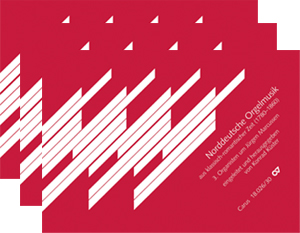
Norddeutsche Orgelmusik aus klassisch-romantischer Zeit: 1780–1860
Inhaltsverzeichnis

-
Herausgeber*in
Konrad Küster
Rezensionen
In diesen drei Bänden wird teils mit Erstdrucken ein abgerundetes Orgelrepertoire in unterschiedlicher Qualität für Gottestdienst und Konzert vorgestellt, [...]
Andreas Rockstroh, Ars Organi, Nr. 3/2012
Die drei Bände beleuchten erstmals eine Orgelepoche norddeutscher Orgelmusik in der Tradition Bachs und Buxtehudes, die bislang nur durch Veröffentlichung einzelner Werke in Sammelbänden bekannt war. Der Freiburger Musikwissenschaftler Konrad Küster hat sich damit einer Epoche weithin unbekannter Orgelkomponisten angenommen, die stark durch die musikalisch-liturgischen Vorstellungen der lutherischen Orthodoxie geprägt waren.
Kirchenmusikalische Mitteilungen, Erzdiözese Freiburg, Mai 2009
Mit Küsters höchst informativem Vorwort legt der Verlag eine vorbildliche Ausgabe vor.
Klaus-Jürgen Gundlach, Forum Kirchenmusik, Jan./Feb. 2009
Die Forschungen Konrad Küsters zeigen, welche Bedeutung dem nordeutschen Raum in der Zeit zukommt, als Mozarts oder Beethovens Sinfonien und Konzerte Österreich oder Rossinis Opern Italien musikalisch in Europa ausmachten.
Evangelische Zeitung (Landeskirche Hannover), 28.9.2008
Bewertungen auf unserer Website können nur von Kund*innen mit registriertem Nutzerkonto abgegeben werden. Eine Überprüfung, ob die bewerteten Produkte tatsächlich erworben wurden, findet nicht statt.
Häufige Fragen zum Werk
 An dieser Stelle gibt es noch gar keine Fragen und Antworten zum Werk oder Ihre spezifische Frage zum Werk wurde noch nicht beantwortet? Klicken Sie hier und reichen Sie Ihre werkspezifische Frage bei unserem Kundenservice ein!