

Full score
moreTon Koopman - favorite cantata
Herr Jesu Christ, wahr' Mensch und Gott BWV 127
(Thou who, a God, as man yet came)
When I was twelve or thirteen years old, using the money I had earned as organist at church, I bought an LP with a recording of this cantata with Hans Grischkat. From the very first time I heard the record, I loved this cantata, and I still do today. Back then I did not know anything about the chorale cantatas or Bach's second cycle of cantatas, but I was very impressed by the moving opening with the special recorder parts.
I played the LP until it was worn out.
Shortly before I moved from my home town of Zwolle to study in Amsterdam, I had the opportunity to perform this cantata myself. I played continuo on the harpsichord, and by playing the bass line I was able to appreciate the work even more. The magnificent opening chorus is followed by a secco recitative which did not mean so much to me back then, and after that one of the most sublime soprano arias I know. The solo oboe, accompanied by bass pizzicati and short notes on the recorders, prepares the way for the soprano, who sings the heartfelt text: “Die Seele ruht in Jesu Händen”. Here Bach sets the longing for the hereafter in breathtaking style (we hear the funeral bells). Happily there is a da capo! An accompagnato recitative with trumpet solo follows: a firework display in which Bach depicts the Last Judgement almost operatically. Finally a chorale in which we ask for God's help and for the forgiveness of our sins. What a magnificent chorale – that is how I felt about it then, as now.
Bach wrote many brilliant cantatas but put a huge amount of effort into this one (as can be seen from the manuscript), and for me it stands apart. It still moves me deeply. Particular chords go straight to the heart. What a masterpiece!
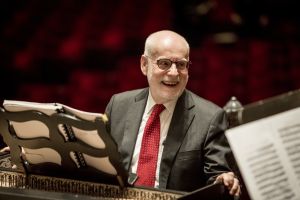
Photo: © Foppe Schutt