The Magic Flute
KV 620, 1791
It is one of the most frequently performed operas in the world. Written in 1791 for Emanuel Schikaneder’s theater in Vienna, The Magic Flute by Wolfgang Amadeus Mozart combines elements of fairy-tale magic with ideas drawn from Freemasonry. In his final opera, Mozart unfolds the full range of his compositional mastery: from the folksong-like melodies of Papageno’s numbers, to Pamina’s heartfelt arias, to the depth and serenity of Sarastro’s singing, and the Queen of the Night’s dazzling coloratura. The Magic Flute is a serious opera, lively singspiel, and Enlightenment parable rolled into one. In short: there is something for everyone – and perhaps that’s the reason for its enduring success.
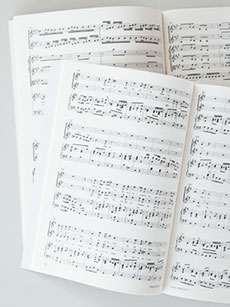
The vocal score is compatible with the other standard editions on the market and accompanies Urs Stäuble’s chamber version of the The Magic Flute (Carus 57.008).

-
Composer
Wolfgang Amadeus Mozart
| 1756-1791As the son of the deputy Kapellmeister to the Salzburg Prince-Archbishop, Mozart was constantly surrounded by church music in his youth. On his travels Mozart became familiar with Italian church music, and later in Vienna he studied the works of Bach and Handel. After moving to Vienna he was faced with the new challenges of composing opera and piano concertos, and significantly the “C Minor Mass” KV 427, the greatest sacred work of the first Vienna years, remained unfinished. The last period of his life again shows a change of direction to church music: Mozart successfully applied to succeed the terminally ill Leopold Hoffmann as Kapellmeister at St Stephen's Cathedral, but he was unable to take up the position as he died before Hoffmann. A gem such as the “Ave verum” KV 618 and the incomplete Requiem KV 626 give us an idea of what Mozart might have achieved as a composer of sacred music if he had taken up this important position. Personal details
-
Songwriter / Librettist
Emanuel Schikaneder
| 1751-1812Emanuel Schikaneder was an actor, singer, director and poet, among other things. He had been travelling around Europe as an actor since his twenties. In Salzburg in 1780, he enjoyed his first successes as a librettist and director. It was also there that he made the acquaintance of Leopold Mozart and his son Wolfgang. Schikaneder and Wolfgang Amadeus Mozart met again in Vienna in 1789. In 1791, Schikaneder wrote the libretto for The Magic Flute, to which Mozart then contributed the music. Schikaneder himself played the first Papageno. Personal details
Reviews on our website can only be submitted by customers with a registered user account. A check whether the rated products were actually purchased does not take place.
Frequent questions about this work
 There are no questions and answers available so far or you were unable to find an answer to your specific question about this work? Then click here and send your specific questions to our Customer Services!