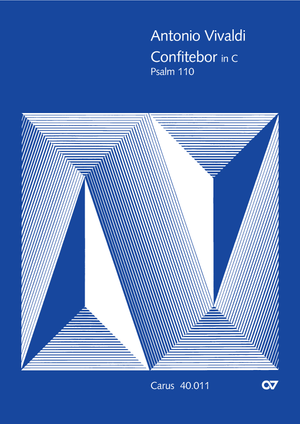
Psalm 110
Psalm 110 RV 596


-
Composer
Antonio Vivaldi
| 1678-1741Antonio (Lucio) Vivaldi was an Italian composer and violinist of the Baroque period.
It is assumed that his father, who was a musician himself, was responsible for Vivaldi's musical education. However, he began his professional career as a priest, which earned him the nickname Il prete rosso (the red-haired priest).
From 1703, Vivaldi worked intermittently as a violin teacher and composer at the Ospedale della Pietà, an orphanage for girls in Venice, until shortly before his death. Initially, he also worked there as a priest, but relinquished this role after three years. He wrote numerous chamber music works and concertos for his pupils at the Pietà. The famous Four Seasons are particularly well-known and often performed today. Vivaldi also composed sacred and secular vocal music and was an opera composer and director.
Of over 800 works known today, only 135 were published during Vivaldi's lifetime. After his death, Vivaldi's compositions were initially largely forgotten. Many of his works were rediscovered and published, particularly in the 20th century. Among them is the Gloria in D RV 589, the very first sheet music edition published by Carus-Verlag.
Personal details
Reviews
Antonio Vivaldi: Confitebor in C, Psalm 110
Zur Erstausgabe dieses Werkes, besorgt von Wolfgang Horn und Thomas Gerwin, liegt das komplette Aufführungsmaterial vor. Die Partitur enthält ein ausführliches Vorwort (deutsch, englisch, französisch), dem der geneigte Leser dieser Zeilen wichtige Hinweise zur Einführung und Aufführung entnehmen kann. Auffällig ist die interessante Besetzung - sie erfordert vokal und instrumental professionelles Können - und bemerkenswert ist die Anmerkung, dass weitere Psalm- und Magnificat-Vertonungen von Vivaldi vorliegen, die einen ganzen Vesperzyklus ermöglichen. Eine solche kirchenmusikalische Vesper könnte ein geistliches Konzert besonderer Qualität sein, aber auch eine sinnvolle Art, an Vivaldi als Kirchenmusikkomponisten in seinem 250. Todesjahr zu erinnern.
Erich Weber, Musica Sacra 4/1991
Diese strahlende dreistimmige Vertonung des Psalm 110 (für Alt, Tenor und Bass) wurde um 1732 komponiert. Die Strophen wurden in fünf Trios und einer Arie für Tenor und zwei Oboen verfasst. Alle drei Stimmen werden gleich behandelt, und jeder wird die Möglichkeit erteilt, alleine zu singen. Die zwei sanften Übergänge der Alt-Stimme zwischen dem punktierten und majestätischen Orchester-Motiv sowie dem Trio „Intellectus bonus” gehören zu den schönsten Momenten dieses Werkes. Die schwungvolle Tenor-Arie „Gloria Patri” bildet einen fröhlichen Übergang zum glänzenden Schluss-Trio „Et in saecula saeculorum” mit seinem vorbildlichen Kontrapunkt im Fugato.
Toccata, 7/03
Reviews on our website can only be submitted by customers with a registered user account. A check whether the rated products were actually purchased does not take place.
Frequent questions about this work
 There are no questions and answers available so far or you were unable to find an answer to your specific question about this work? Then click here and send your specific questions to our Customer Services!